How Personal Training in Charlotte NC Helps Prevent Injuries

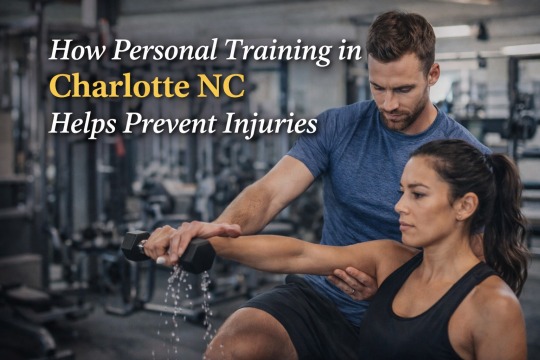
Staying active is essential for long term health, but improper training, poor form, and inconsistent programming can quickly lead to injuries. From weekend warriors running along the Little Sugar Creek Greenway to professionals squeezing in workouts before work in Uptown Charlotte, many individuals push their bodies without proper guidance.
That is where structured personal training in Charlotte NC plays a critical role. Working with a qualified trainer does more than improve strength or aesthetics. It significantly reduces the risk of injury and supports long term physical performance.
The Most Common Causes of Workout Injuries
Before understanding how personal training prevents injuries, it helps to know why injuries happen in the first place.
In Charlotte gyms and fitness centers, common causes include:
Poor lifting technique
Skipping warmups
Overtraining
Muscle imbalances
Increasing weight too quickly
Lack of mobility
Many people follow online workouts without considering their unique biomechanics, past injuries, or physical limitations. What works for one person may be harmful to another.
Proper Form and Technique Coaching
One of the biggest advantages of hiring a personal trainer is hands on coaching. Proper form is the foundation of injury prevention.
Certified trainers assess posture, alignment, and movement patterns before increasing intensity. For example, during squats or deadlifts, improper spinal positioning can strain the lower back. A trainer ensures that:
Core muscles are properly engaged
Knees track correctly
The spine remains neutral
Weight is distributed evenly
Correcting these small details significantly reduces stress on joints and connective tissues.
Personalized Programming for Individual Needs
No two bodies move the same way. Personal training in Charlotte NC focuses on creating customized programs based on:
Fitness level
Injury history
Age
Mobility limitations
Athletic goals
Someone recovering from a knee injury requires a very different approach than a competitive athlete training for a marathon. Personalized programming ensures exercises are both effective and safe.
Charlotte’s diverse fitness community includes busy executives, college students from UNC Charlotte, retirees, and competitive athletes. A tailored approach helps each individual train safely within their limits.
Strengthening Stabilizer Muscles
Many injuries occur not because primary muscles are weak, but because stabilizer muscles are underdeveloped.
For example:
Weak glutes can contribute to knee pain
Poor shoulder stability can lead to rotator cuff injuries
Limited core strength can strain the lower back
A professional trainer incorporates corrective exercises that strengthen these smaller support muscles. This improves overall joint stability and reduces wear and tear over time.
Structured Progression and Load Management
One of the fastest ways to get injured is progressing too quickly. Adding too much weight or volume without proper adaptation stresses muscles and connective tissues.
Personal trainers follow progressive overload principles carefully. They monitor:
Weekly volume increases
Recovery periods
Signs of fatigue
Movement quality under heavier loads
In Charlotte’s competitive fitness culture, it is easy to feel pressured to lift heavier or train harder. A trainer ensures progress happens at a safe, sustainable pace.
Mobility and Flexibility Integration
Injury prevention is not just about strength. Mobility and flexibility are equally important.
Sitting at desks in South End offices or commuting long distances can create tight hip flexors, rounded shoulders, and restricted thoracic mobility. These limitations increase injury risk during workouts.
Personal trainers incorporate:
Dynamic warmups
Mobility drills
Foam rolling techniques
Stretching protocols
Improved range of motion allows joints to move freely and safely during exercise.
Accountability and Consistency
Inconsistent training often leads to injury. Long breaks followed by intense workouts shock the body and increase strain.
Working with a personal trainer promotes consistency. Structured scheduling and professional guidance encourage balanced routines rather than sporadic overexertion.
Consistency allows the body to adapt gradually, building resilience against injury.
Education Beyond the Gym
An overlooked benefit of personal training in Charlotte NC is education. Trainers teach clients how to:
Lift safely on their own
Recognize early signs of strain
Modify exercises when needed
Improve posture outside the gym
This knowledge empowers individuals to make smarter decisions even when training independently.
Frequently Asked Questions
Can personal training really reduce injury risk?
Yes. Proper form correction, personalized programming, and structured progression significantly reduce the likelihood of strains, sprains, and overuse injuries.
Is personal training in Charlotte NC suitable for beginners?
Absolutely. Beginners often benefit the most because they learn correct technique from the start, preventing bad habits that lead to injury.
How often should I work with a personal trainer?
This depends on goals and experience. Some individuals train with a coach multiple times per week, while others meet weekly for program adjustments and technique refinement.
What types of injuries can personal training help prevent?
Personal training helps prevent common issues such as lower back strain, shoulder injuries, knee pain, and muscle imbalances caused by improper technique.
Is personal training only for athletes?
No. Personal training benefits individuals of all fitness levels, from beginners to advanced athletes, especially those looking to improve safely.
Conclusion
Injury prevention is one of the most valuable benefits of working with a qualified fitness professional. Proper form coaching, personalized programming, mobility integration, and structured progression all contribute to safer, more effective workouts.
For individuals in Charlotte looking to build strength, improve performance, and stay active long term, investing in personal training provides both guidance and protection. By training smarter rather than harder, you create a sustainable fitness routine that supports your health for years to come.